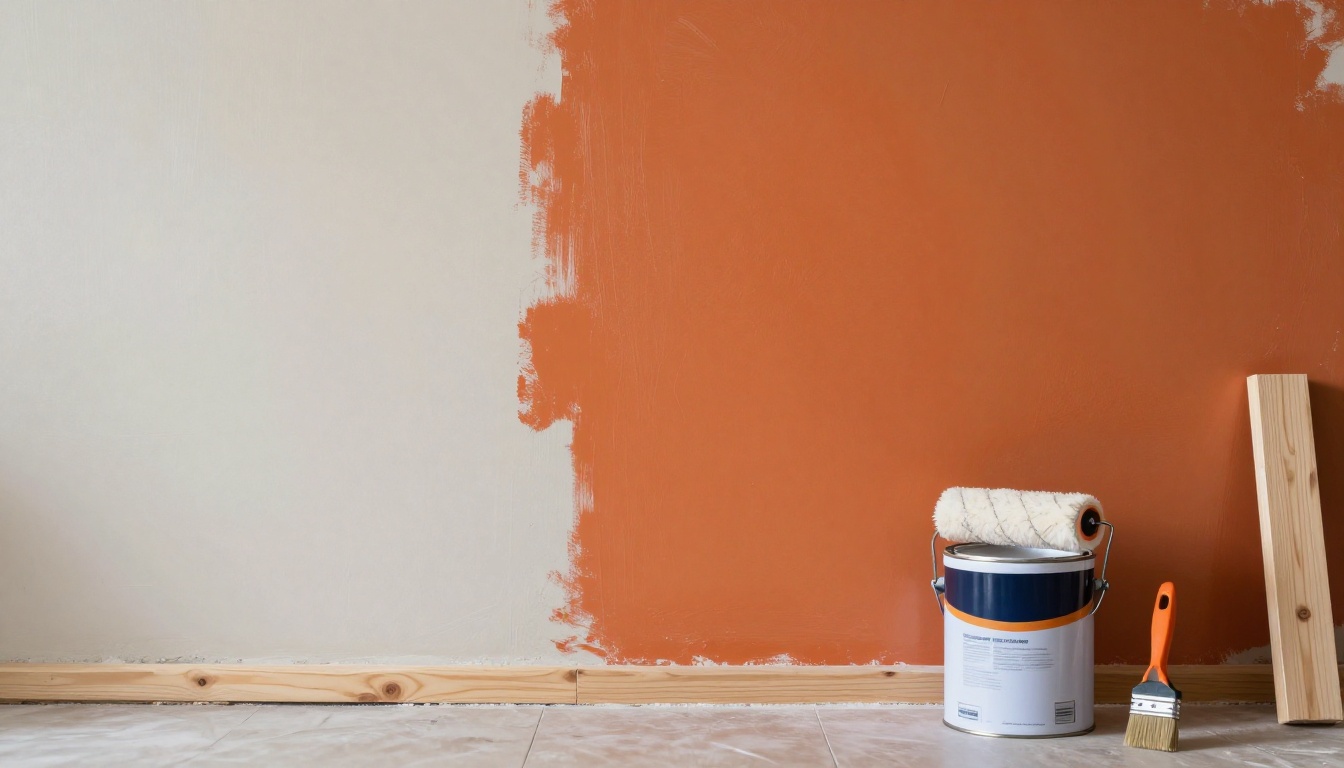
Homeowners see it all the time: cans labeled “paint and primer in one.” Sounds like a shortcut—fewer steps, less time, same results. But in real-world painting, primer and paint-and-primer-in-one are not interchangeable, and using the wrong one can lead to peeling, flashing, or uneven color.
Below is a clear, contractor-backed breakdown of when each option actually works—and when it doesn’t.
What Primer Is Designed to Do (That Paint Alone Can’t)
Primer isn’t about color—it’s about surface preparation. A true primer is engineered to:
-
Seal porous surfaces like drywall, wood, or masonry
-
Block stains from bleeding through
-
Improve adhesion so paint sticks long-term
-
Create a uniform base coat for consistent color
This is why professional painters almost always prime during interior and exterior painting projects that involve repairs, raw materials, or color changes. You’ll see this approach reflected across full-service work like residential painting and commercial painting.
What “Paint-and-Primer-in-One” Really Means
Despite the name, paint-and-primer-in-one is not a replacement for primer. It’s essentially:
-
A thicker, higher-solids paint
-
Designed to cover well over previously painted, sound surfaces
-
Helpful for reducing coats—not surface prep
It does not seal raw substrates or block stains the way a dedicated primer does.
When Paint-and-Primer-in-One Actually Works
Paint-and-primer-in-one can be effective only under the right conditions, such as:
-
Repainting walls already in good condition
-
Covering similar or lighter colors
-
No stains, patches, or exposed drywall
-
Interior repaint projects with minimal wear
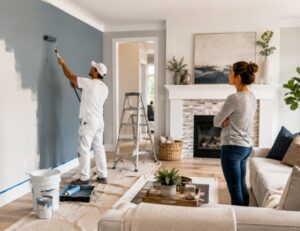
For example, refreshing a living room as part of a standard interior painting service can be a good fit.
When Paint-and-Primer-in-One Fails
This is where homeowners often run into trouble. Paint-and-primer-in-one struggles when:
-
Painting over bare drywall or wood
-
Covering water stains, smoke damage, or tannins
-
Transitioning from dark to light colors
-
Painting exteriors exposed to weather
-
Working on cabinets, trim, or high-touch surfaces
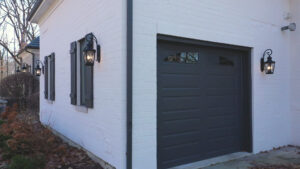
On exterior projects—like those handled under exterior painting services—skipping proper primer can drastically shorten the lifespan of the paint job.
Special Surfaces That Always Need Primer
Some surfaces always require dedicated priming:
-
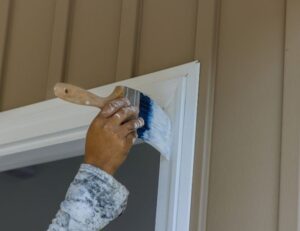
Trim and millwork → see trim painting
-
Cabinets → see cabinet painting
-
New construction → see new construction painting
These surfaces demand strong adhesion and durability—something paint-and-primer-in-one simply can’t deliver.
Exterior Painting: Primer Is Non-Negotiable
Exterior surfaces face moisture, temperature swings, and UV exposure. That’s why professional crews always prime where needed on projects like exterior commercial painting or residential exteriors.
Skipping primer outdoors often leads to:
-
Premature peeling
-
Uneven sheen
-
Paint failure within a few seasons
The Professional Rule of Thumb
Here’s the simple guideline painters use:
-
New, repaired, stained, or raw surface? → Use primer first.
-
Previously painted, clean, similar color? → Paint-and-primer-in-one may be fine.
If you’re unsure, a quick evaluation from a professional painting company can prevent costly rework. Homeowners often start by booking a consultation through the contact page.
TL;DR / Key Takeaways
-
Primer and paint-and-primer-in-one are not the same
-
Paint-and-primer-in-one is best for simple repaints only
-
Raw surfaces, stains, cabinets, trim, and exteriors always need primer
-
Skipping primer can lead to peeling, flashing, and shortened paint life
-
When in doubt, professional guidance saves money long-term